About Our Program
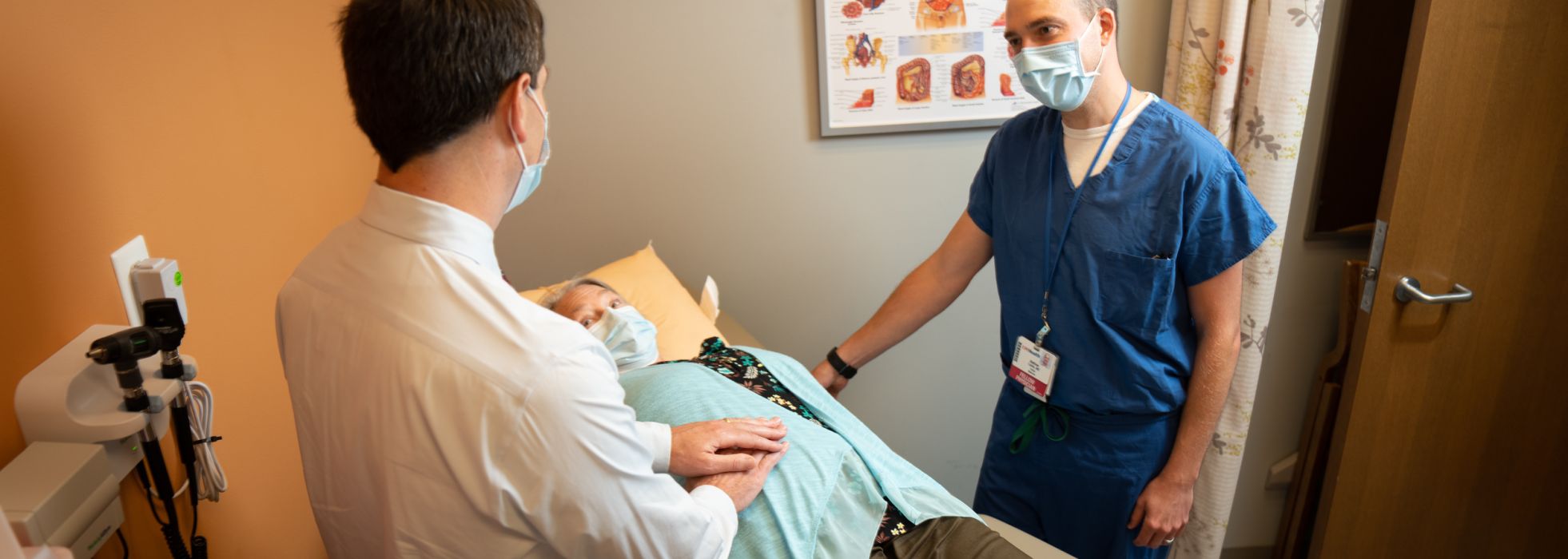
The University of Wisconsin advanced training in inflammatory bowel disease (IBD) sub-fellowship is built into the third year of our Gastroenterology and Hepatology fellowship and provides six months of hands-on training in the care of patients with Crohn’s disease and ulcerative colitis.
Here, you'll gain the skills and experience to care for patients across the full spectrum of IBD, working alongside a multidisciplinary team of gastroenterologists, colorectal surgeons, pathologists, radiologists and pediatric specialists.
Our individualized program prepares graduates for careers as IBD specialists and to lead in academic or community practice.
Meet Our Program Director
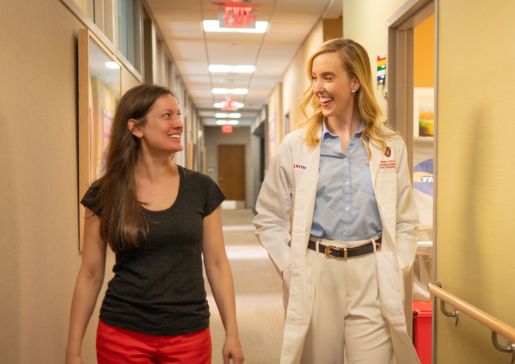
"Our goal is to graduate gastroenterologists who can confidently care for any patient with IBD, no matter how complex. Fellows train within an outstanding multidisciplinary team and learn not only the medical and endoscopic management of IBD, but emerging tools like intestinal ultrasound that are reshaping how we monitor disease.
I want every fellow who completes this program to leave with both the expertise and the confidence to be a leader in IBD care."
Curriculum
We follow a structured, faculty-developed curriculum. Defined clinical and scholarly competencies provide training across every core area of IBD care.
Clinical Experiences
- IBD Specialty Clinic: Train with IBD specialists on the management of IBD patients.
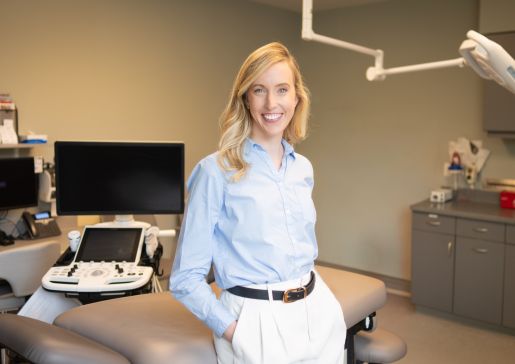
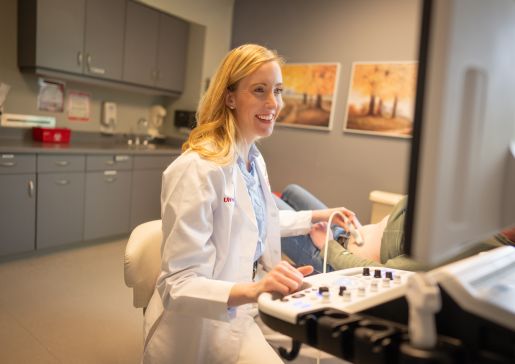
- Intestinal Ultrasound: Learn to use the point-of-care imaging tool to assess bowel inflammation in real time.
- Endoscopy: Focus on the endoscopic evaluation of IBD patients, including capsule endoscopy chromoendoscopy and endoscopic management of post-surgical patients.
- Pediatric GI Clinic: Learn to evaluate and manage pediatric IBD and aid with transition to adult care.
- Colorectal Surgery Clinic: Train with colorectal surgeons to help manage the surgical aspects of IBD, including pre- and post-operative care.
- Pathology Clinic: Learn to recognize the pathologic features and complications of IBD.
- Radiology: Work with abdominal GI radiologists to learn aspects of imaging interpretation in IBD.
- OR Experience: Follow patients into the OR to better understand surgical management of IBD.
Core Faculty
Gastroenterology
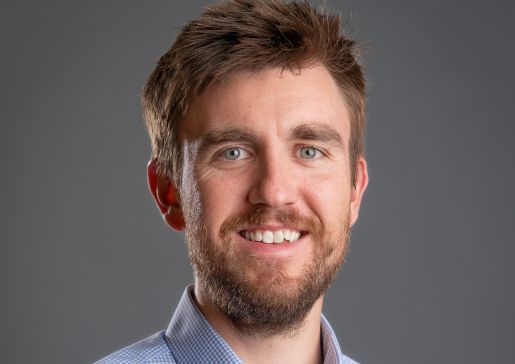
- Megan Lutz, MD, Program Director
- Freddy Caldera, DO, PhD, MS, Associate Program Director
- Ian Grimes, MD, MS, Gastroenterology and Hepatology Fellowship Director
- Sumona Saha, MD, MS
Colorectal Surgery
Pathology
Radiology
Pediatric Gastroenterology
Research and Scholarship
Fellows are encouraged pursue scholarly work with mentorship from nationally recognized IBD investigators. Assistant Program Director Freddy Caldera, DO, PhD, MS, directs the Caldera Lab, a clinical research program focused on the safety of immune-modifying therapies with more than 120 peer-reviewed publications.
Fellows can join active research projects, present at national meetings and publish in peer-reviewed journals. You'll graduate prepared whether your path leads to academic medicine or advanced community practice.
Training in Intestinal Ultrasound
Our sub-fellowship is among a small number of programs in the country—and the first in Wisconsin—to offer training in intestinal ultrasound (IUS), a point-of-care imaging technique used to assess bowel inflammation in real time. Program Director Dr. Megan Lutz works directly with fellows to help them incorporate this rapidly emerging skill into their practice
Participating in the Sub-Fellowship
The Advanced Training in IBD sub-fellowship is available to current University of Wisconsin Gastroenterology and Hepatology fellows. There is no separate application process. Fellows interested in advanced IBD training are welcome to participate during their third year and are encouraged to speak with Program Director Dr. Megan Lutz to tailor the experience to your goals and interests.