About Our Program
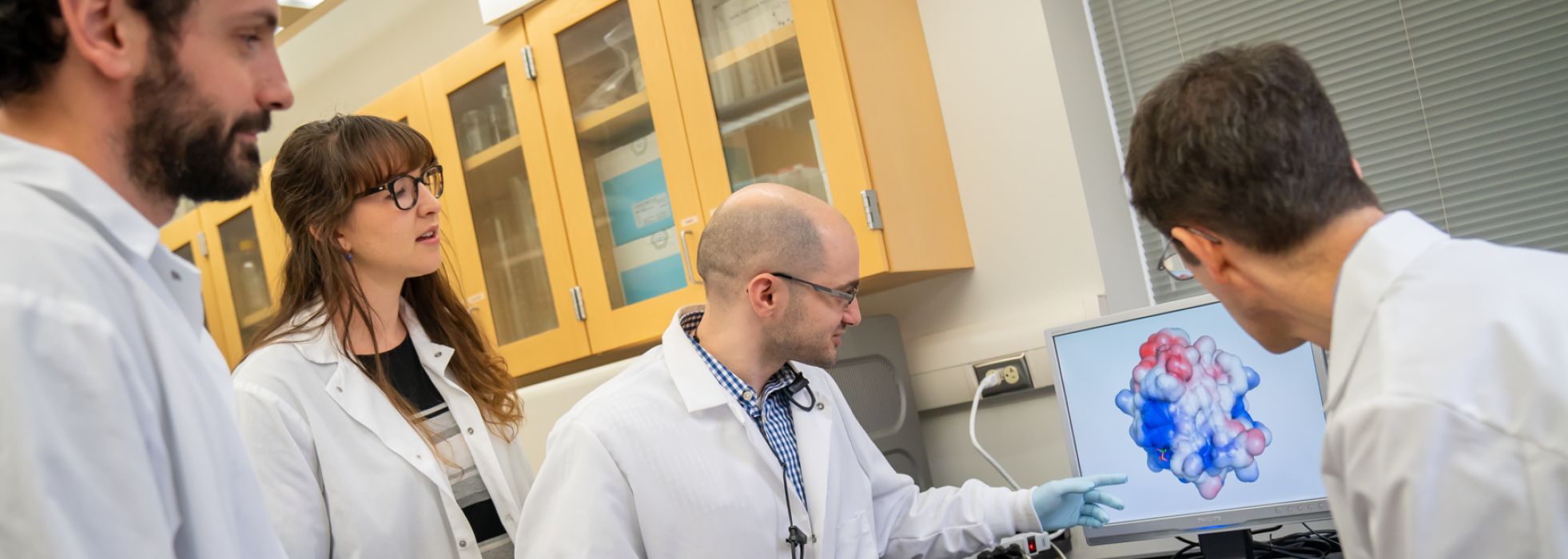
The UW Biology of Aging and Age-Related Disease Training Program covers the spectrum of aging research, from basic mechanisms of aging to biology of age-related disease, and translational studies of preventive interventions and clinical application.
The program is funded by a National Institute of Health (NIH)/National Institute of Aging (NIA) Institutional National Research Service Award (T32).
Support and Duration
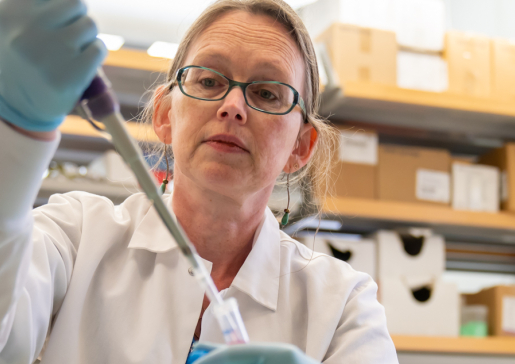
The program provides one year of support, annual conference/meeting travel stipends, and didactic training to 5 predoctoral and 4 postdoctoral trainees planning to pursue academic research careers focused on biology of aging. A possible second year of support is possible based on funding availability and research progress.

All applicants must be committed to a research career in the biology of aging and intend to spend a minimum of two years in either a predoctoral or a postdoctoral position.
Applicants must be a U.S. Citizen or Permanent Resident (by date of award).
Post-doctoral applicants must have completed an advanced degree (PhD, MD, DVM, or equivalent) by program start date.
Please contact Eric Schafer with any questions about the program and upcoming openings.
Postdoctoral Trainees

Mentor: Carey Gleason, PhD
Project: Aging and dementia in Native American communities
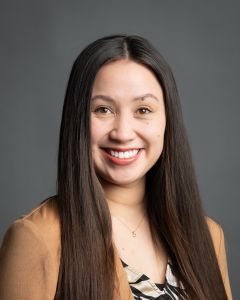
Mentor: Rozalyn Anderson, PhD
Project: Identifying molecular changes across tissues in different animal models and humans to define pathways of aging
Mentor: Audrey Gasch, PhD
Project: Investigating the role of translational errors in aneuploidy-induced premature aging
Pre-doctoral Trainees
Mentor: Mariana Pehar, PhD
Project: Molecular mechanisms linking astrocyte aging to neuronal health
Mentor: Dudley Lamming, PhD
Project: Examining the influence of dietary restriction and exercise on healthspan and lifespan
Mentor: Luigi Puglielli, MD, PhD
Project: Overexpression of COASY effects on downstream acetylation machinery in the ER and aging
Mentor: Snehal Chaudhari, PhD
Project: Using C. elegans to understand microbe-host interactions in aging
Leadership
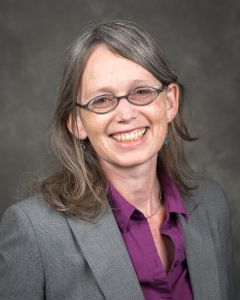
Co-Director
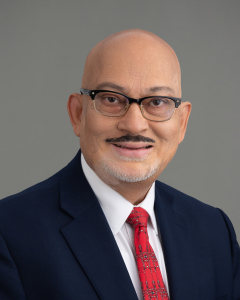
Co-Director
Faculty Mentors
- All Faculty Mentors
- Rozalyn Anderson, PhD: Professor, Geriatrics and Gerontology, Department of Medicine
- Sanjay Asthana, MD: Professor, Geriatrics and Gerontology, Department of Medicine
- Alan Attie, PhD: Professor, Department of Biochemistry
- Jill Barnes, PhD, MA: Associate professor, Department of Kinesiology
- Barbara Bendlin, PhD, MA: Professor, Geriatrics and Gerontology, Department of Medicine
- Cynthia Carlsson, MD, MS: Professor, Geriatrics and Gerontology, Department of Medicine
- Ricki Colman, PhD: Associate professor, Department of Cell and Regenerative Biology
- Joshua Coon, PhD: Professor, Department of Biomolecular Chemistry
- Dawn Davis, MD, PhD: Professor, Endocrinology, Diabetes and Metabolism, Department of Medicine
- John Denu, MD, PhD: Professor, Department of Biomolecular Chemistry
- Corinne Engelman, PhD, MSPH: Professor, Department of Population Health Sciences
- Audrey Gasch, PhD: Professor, Department of Genetics
- Anna Huttenlocher, PhD: Professor, Department of Medical Microbiology and Immunology
- David Jarrard, MD: Professor, Department of Urology
- Sterling Johnson, PhD: Professor, Geriatrics and Gerontology, Department of Medicine
- Michelle Kimple, PhD: Professor, Endocrinology, Diabetes and Metabolism, Department of Medicine
- Dudley Lamming, PhD: Professor, Endocrinology, Diabetes and Metabolism, Department of Medicine
- Joshua Lang, MD, MS: Professor, Hematology, Medical Oncology and Palliative Care, Department of Medicine
- Darcie Moore, PhD: Associate professor, Department of Neuroscience
- Ozioma Okonkwo, PhD: Professor, Geriatrics and Gerontology, Department of Medicine
- Luigi Puglielli, MD, PhD: Professor, Geriatrics and Gerontology, Department of Medicine
- Federico Rey, PhD: Professor, Department Medical Microbiology and Immunology
- Carol Ryff, PhD: Professor, Department of Psychology
- Miriam Shelef, MD, PhD: Professor, Rheumatology, Department of Medicine
- Vikas Singh, PhD: Professor, Department of Biostatistics and Medical Informatics
- David Wassarman, PhD: Professor, Department of Genetics
Curriculum
- Aging Focused Research
Trainees are expected to commit to including aging as a focus in their research program, as a feature in their publications, as part of their long-term career development.
- Annual Progress Report
Each trainee must submit, annually, a progress report that describes their progress towards the goals of their training program and its requirements. More information on the specific content and format is available from the program coordinator.
- Attendance at an Age-Specific Meeting
Each trainee must attend at least one national aging research meeting during the time they are enrolled in the T32 program. Suitable meetings include the annual American Aging Association and Gerontological Society of America meetings, or the Biennial Gordon Research Conference on Aging, The Keystone Aging Conference, or the Aging meeting at CSHL, Long Island, NY.
- Child Care Support Costs & Parental Leave
NIH recognizes that the high cost of childcare impacts (graduate students/post-doctorates) funded through NRSA traineeships, and their ability to successfully complete their training and fully participate in extramural research workforce. Therefore, as part of the NIH’s on-going efforts to support family-friendly work environment, your position is eligible to receive up to $3,000 per budget period for costs for childcare provided by a licensed childcare provider. Please see your appointment letter for more information and contact the program coordinator if you anticipate using the funds.
Trainees and fellows may receive stipends for up to 60 calendar days (equivalent to 8 work weeks) of parental leave per year for the adoption or the birth of a child. Either parent is eligible for parental leave. Please see NIH's Family-Friendly Initiatives page for more information and contact the program coordinator if you plan to request parental leave.
- Individual Development Plans (IDPs)
Each T32 trainee and mentor is required to maintain an IDP. See guidance and resources for more information.
Additionally, this training program requires the use of an additional, specific IDP to guide twice-annual meetings with the training grant director, co-director, and program coordinator (one of which is attended by your mentor). The program coordinator will provide the IDP form.
- Pathology 751
All appointees must take Pathology 751: Biology of Aging, which is next offered in fall of 2026. Postdoctoral trainees will audit this course.
- Pre-doctoral Grant Submission
Pre-doctoral trainees are encouraged to assemble at least one level-appropriate grant application through NIH/NIA (F31 or similar), private foundations (AFAR, Glenn Foundation for Medical Research), or through intramural programs (CTSA KL2).
- Postdoctoral Grant Submission
Postdoctoral trainees are encouraged to assemble at least one level-appropriate grant application through NIH/NIA (K99/R00 or K01), private foundations (AFAR, Glenn Foundation for Medical Research), or through intramural programs (CTSA KL2).
- Publications
Trainees will commit to including aging as a focus in their research program, as a feature in their publications, and as part of their longer-term career development. Trainees are expected to author at least one primary research paper as first author over the course of the fellowship and at least 1-2 additional publications as co-author. Trainees will be evaluated on their progress toward meeting these publications goals. It is the responsibility of the trainee to bring any perceived obstacles or impediments to obtaining this goal to the attention of the program coordinator in a timely fashion.
Each publication, press release, or other document about research supported by an NIH award must include an acknowledgment of NIH award support and a disclaimer such as “Research reported in this publication was supported by the National Institute on Aging of the National Institutes of Health under Award Number T32AG000213. The content is solely the responsibility of the authors and does not necessarily represent the official views of the National Institutes of Health.”
Acknowledgement should appear in all publications you work on during your appointment and all those after your appointment resulting from data and research conducted during your appointment. That means some papers done with labs and collaborators preceding your appointment will still acknowledge the T32 even though they might not include your T32 mentor. Please contact the program coordinator if you have any questions.
- Responsible Conduct of Research and Ethics
All appointees to the training grant must take one of the Research Ethics Courses offered at UW-Madison, or its equivalent. A course or courses previously taken that are believed to be equivalent must be reviewed and approved by the training grant director and co-director. The course must be repeated at least once every 4 years and must be repeated if there is a change in appointment, i.e., from pre-doctoral student to a postdoctoral fellow. See the list of UW courses for more information.
- Event Attendance
It is mandatory that trainees attend all Biology of Aging T32 Seminars and events. The seminars are bi-weekly during the school semester. If you are unable to attend, please contact the training grant director, co-director, and program coordinator prior to absence.
- Travel
Each trainee receives a travel budget that must be used within the grant year. Pre-doctoral trainees receive $750 annually and post-doctoral trainees receive $1,500 annually. Please contact program coordinator for instructions to book travel.
- Taxes
Since a trainee’s stipend is not considered wages (although it is reportable income), the university does not withhold taxes from your stipend. As a result, you may need to pay estimated taxes on a quarterly basis directly to the IRS and the Wisconsin Department of Revenue. Please see your appointment letter for more information.
Resources
Aging-Focused Conferences and Courses
- Cold Spring Harbor Laboratories
- AGE – American Aging Association Annual Meeting
- Gerontological Society of America
- MDI Biological Laboratory
Aging-Focused Journals
- Aging Cell
- Aging Research Reviews
- Experimental Gerontology
- GeroScience
- Journal of Gerontology Biological Sciences
Aging-Focused Groups
- AGE – American Aging Association
- Gerontological Society of America
- Glenn Centers
- Midwest Aging Consortium
- Nathan Shock Centers
- National Institute on Aging
UW–Madison Resources
- Department of Medicine Grant Writing Workshop
- Division of Diversity, Equity, & Educational Achievement
- Graduate School Professional Development
- ICTR Research Resources
- Libraries Research Support
- Office of the Vice Chancellor for Research
- Office of Postdoctoral Studies
- Writing Center
SMPH Resources
- MedRISE Grant Library Repository (access request linked at the top and bottom of the page)
NIH Resources
Program Graduates
- Maya Amjadi, MD, PhD – Psychiatry resident, University of Arizona
- Josef Clark, PhD – Scientist, University of Wisconsin–Madison
- Nicole Richardson (Cummings), PhD – Director of field medical engagement, Bayer Ag
- Richard Daniels, PhD – Senior scientist, Manual Ion Channel Testing, Charles River Labs–Ohio Division
- Inca Dieterich, PhD – Venture partner, ARCH Venture Partners
- Dylan Duerre, PhD – Scientist, Salus Discovery, Llc
- Kyle Edmunds, PhD – Scientist I, Department of Medicine, University of Wisconsin–Madison
- Kimberly Farbota, PhD – Principal attorney, Farbota Legal
- Mark Farrugia, PhD – Research associate, Michigan State University
- Brandon Fico, PhD – Assistant professor, Florida Atlantic University
- Danielle Fontaine, PhD – Medical science liaison, Abbvie Inc.
- Hannah Foster, PhD – Associate research scientist, Cellular and Molecular Physiology, Yale University
- Rastafa Geddes, PhD – Chief executive officer, Geddes Neural Network-Global Foundation Inc.
- Carly Kibbe, PhD – Associate professor, Human Biology, University of Wisconsin–Green Bay
- Keith Knurr, DPT – Assistant professor, University of Wisconsin–Madison
- David Kosoff, MD – Assistant professor, Hematology, Medical Oncology and Palliative Care, University of Wisconsin–Madison
- Jeremy Kratz, MD – Assistant professor, University of Wisconsin–Madison
- Carin Loewen, PhD – Teaching faculty, University of Wisconsin–Madison
- Martina Ly, PhD – Product manager, ANT Neuro
- Stephen Martin, PhD – Principal investigator, Montana State University–Bozeman
- Lisa Maurer, MD, PhD – Assistant Professor, University of Pittsburgh
- Donald McLaren, PhD – Senior director, Clinical Biomarkers and Translational Medicine, Vigil Neuroscience Inc.
- Jericha Mill, PhD – Postdoctoral research associate, Biochemistry, University of Wisconsin–Madison
- Daniel Miller, PhD – Program director, National Institute of Neuro Dis & Stroke
- Dennis Minton, PhD – Postdoctoral researcher, KU Leuven
- Jason Moody, PhD – Research associate, University of Wisconsin–Madison
- Maeghan Murie-Mazariegos, PhD – Division Head, Math & Science Nebraska Indian Community College
- Joshua Neuman, PhD – Director, Field Medical Affairs Regeneron Pharmaceuticals, Inc.
- Keenan Pearson, PhD – Senior scientist, R&D, Proteovista, Llc
- Tiaira Porter, MS – Scientist, University Of Chicago
- Anne Racine, PhD – Director of clinical development, Alexion Pharmaceuticals, Inc.
- Kyle Robinson, PhD – Study director, Labcorp Drug Development
- Yuetiva Robles, PhD – Research data scientist, Wisconsin Partnership Program, University of Wisconsin–Madison
- Joshua Roth, PhD – Assistant professor, University of Wisconsin–Madison
- Anne Schaar, PhD – Senior program manager, Aldevron, Llc
- Anne Schmitz, PhD – Associate professor, Engineering and Technology, University Of Wisconsin–Stout
- Taylor Schoen, PhD – Postdoctoral fellowship, University Of California–San Diego
- Dylan Souder, PhD – Account manager, Azenta Life Sciences
- Ryan Sprenger, PhD – Senior tesearch scientist, Fauna Bio Incorporated
- Lisa Sudmeier, MD, PhD – Assistant professor, Emory University
- Andrew Sung, MD, PhD – Pathology resident, UT Southwestern
- Christine Swanson, PhD – Program director, Division of Neuroscience National Institute of Neurological Disorders and Stroke
- Thomas Tubon, PhD – Principal investigator, Industrial Assessment Center at TCI, US Department of Energy
- Brian Walczak, DO – Orthopedic surgery, Rush University Medical Center
- Margarete Wichmann, PhD – Senior project director, Survey Center, University of Wisconsin–Madison
- Andrew Wiemer, PhD – Professor, Pharmaceutical Sciences, University Of Connecticut
- Auriel Willette, PhD – Associate professor, Rutgers Biomedical And Health Sciences
- Chung-Yang Yeh, PhD – Postdoctoral fellow, University of Wisconsin–Madison