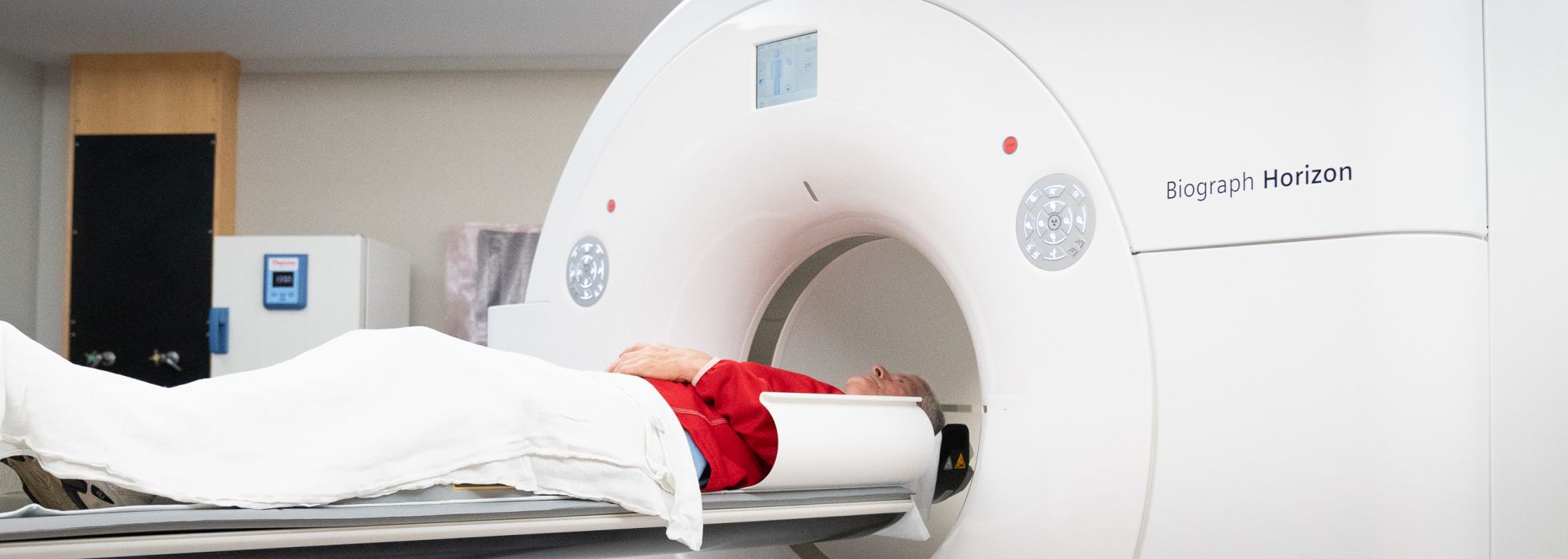
Advancing Alzheimer's Detection, Diagnosis and Care
Lindsay Clark, PhD, is an assistant professor and geriatric neuropsychologist within the Division of Geriatrics and Gerontology and the Madison VA Geriatrics Research Education and Clinical Center (GRECC).
Her research focuses on understanding the validity and utility of novel biomarker and digital cognitive tests to facilitate timely detection, diagnosis, and care for individuals with Alzheimer’s disease and related dementias (ADRD).

Validating and Understanding Outcomes of Biomarker and Digital Cognitive Tests
Dr. Clark leads studies investigating effective communication and outcomes of new Alzheimer’s biomarker tests for Alzheimer's risk and diagnosis, as well as validating remote digital cognitive assessments for cognitive screening and diagnosis.
This research aims to improve understanding of potential risks and benefits of using biomarker tests for individuals in preclinical or mildly impaired disease stages, to improve communication of information about dementia risk, and to determine best practices for cognitive and biomarker screening to improve brain health and access to treatments.
Research Team

Clinical Research Coordinator


Neuroimaging Assistant Program Manager
The Clark lab may have openings for undergraduate research assistants to assist with data collection, data entry, quality improvement, and other research tasks. Please email Hannah Rosario to inquire about available opportunities.
Active Projects
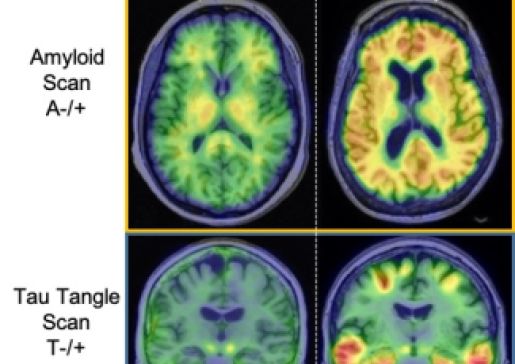
- Reactions to learning amyloid and tau results in adults at risk for Alzheimer’s dementia (LATR)
Objective: Determine how learning one’s biomarker profile (amyloid (A) and tau (T) PET) impacts longitudinal psychosocial, behavioral, and neuropsychological outcomes, and identify factors that moderate and mediate these outcomes.
Years active: 2026 - 2031
- Digital memory assessment for early detection and monitoring of cognitive decline in Alzheimer’s disease
Objective: Validate novel unsupervised remote digital tests for detection, staging, and monitoring of cognitive symptoms in pre-dementia stages of AD.
Years active: 2026 - 2031
- Validation of Video Administration of a Modified UDSv3 Cognitive Battery
Objective: Validate a video-administered cognitive assessment (V-Cog) for potential use by Alzheimer’s Disease Research Centers.
Years active: 2022 - 2027
- The ADRC Consortium for Clarity in ADRD Research Through Imaging (CLARiTI) – Return of Results Co-Leader
Objective: Develop protocol and toolkit to support return of amyloid and tau PET results for participants enrolled in Alzheimer’s Disease Research Centers across the United States.
Funding Support
The Clark Lab research program is funded by the National Institutes of Health/National Institute on Aging.
News and Media
Community Memory Screening May Improve Alzheimer’s Diagnosis and Care (Medscape, 2023)
Smartphone Screenings: Assessing Memory and Cognition using a Mobile App (Dementia Matters, podcast, 2024)
New UW-Madison study suggests that digital memory checks can better spot early memory loss (WBAY-TV 2, 2026)
Phone apps may spot early memory loss (WIFR-TV, 2026)
Study: Tracking brain health on smartphones (WISC-TV, 2026)