Wisconsin Nathan Shock Center established to investigate links between metabolism and aging
A cross-disciplinary campus hub for research into the basic biology of aging
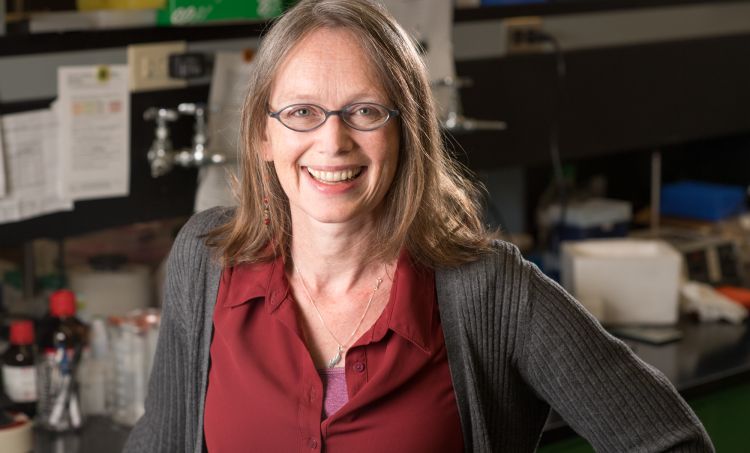
The National Institutes of Health (NIH) and the National Institute of Aging (NIA) have provided funding to establish the new Wisconsin Nathan Shock Center of Excellence in the Basic Biology of Aging at the University of Wisconsin School of Medicine and Public Health (UW SMPH).
Led by Rozalyn Anderson, PhD, professor, Geriatrics and Gerontology, the new center—one of just nine in the nation—will focus on understanding how metabolic changes associated with aging influence health and cause disease.
“It has become abundantly clear that aging biology affects a host of chronic diseases that we see in health care in America today,” Dr. Anderson says. “Aging is the biggest risk factor for cancer, neurodegenerative disease and cardiovascular disease, and all of these chronic conditions occur more frequently in older individuals.”
The center, which has already issued a national call for proposals for pilot projects on the biology of aging, will bring together more than 40 researchers from across the UW–Madison campus who work on metabolism and aging.
“We go from molecules to organisms to populations,” Anderson says. “It is a virtual center spread across the entire campus; a gathering of minds rather than a building of rooms. We’re looking forward to being the hub that attracts more people into aging research.”
The center is co-directed by Dudley Lamming, PhD, associate professor, Endocrinology, Diabetes and Metabolism, and John Denu, PhD, professor, UW Department of Biomolecular Chemistry.