What's next for Chief Resident Dr. Adam Koraym?
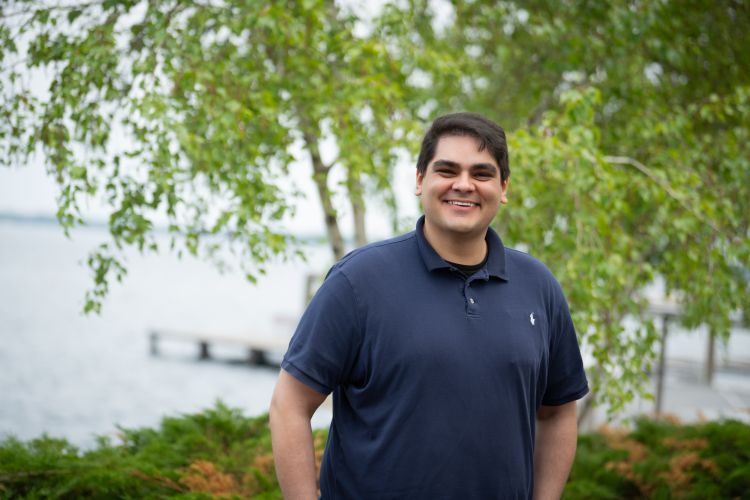
Adam Koraym, MD
What’s next for you, personally and professionally? Why did you decide on that route?
I’ll be heading to the University of Louisville for cardiology fellowship this summer!
It’s definitely a bittersweet transition, I've truly loved my time at UW and feel incredibly grateful for the people, mentorship, and experiences here. At the same time, I’m excited to step outside of what’s familiar and expand my horizons in a new environment.
I’m choosing to pursue cardiology for many of the same reasons I was drawn to medicine in the first place. It’s a field with incredibly diverse pathology and a unique range of practice styles, you can be interpreting imaging, managing critically ill patients, performing procedures, or focusing on prevention and longitudinal care.
That variety, combined with the opportunity to make a meaningful impact across different stages of disease, is what makes it such a compelling field for me.
What are the main takeaways from your time as chief resident (i.e., what did you learn, what was memorable, etc.)?
This year was incredibly rewarding and honestly gave me a whole new perspective on how much is happening behind the scenes that you don’t fully appreciate as a resident. There’s a lot of work that goes into keeping things running smoothly, and it made me much more thoughtful about the systems and people supporting us every day.
One of the biggest lessons for me was that leading with understanding and empathy almost never backfires. Residents are navigating a lot, and taking the time to listen and meet people where they are goes a long way. I also learned that you don’t have to change who you are just because you step into a leadership role, your style can stay authentic, and that authenticity is actually what makes you an effective leader.
The most impactful part of the experience, though, was mentorship. Being in a position where people trust you to have input on their career decisions is a real responsibility, it carries weight, but it’s also incredibly meaningful. Getting to support residents in that way was one of the best parts of the year. Overall, it was a year that reinforced how much culture, communication, and mentorship matter, and how much you can grow by stepping into a role that challenges you in new ways.
What advice/words of encouragement do you have for 1) the incoming chiefs, 2) the incoming interns (PG-1s), and 3) residents who are considering applying for chief residencies next year?
- Incoming chiefs: When in doubt, choose to be more empathetic and as accommodating as you can. There will be times when you have to ask people to cover shifts or make changes that weren’t planned, and you won’t be able to make everyone happy all the time. The key is to consistently try to be fair, helpful, and understanding, people recognize that. Also, lean into your strengths. You don’t have to change your personality or your vibe to lead effectively; in fact, authenticity is what people appreciate most.
- Incoming interns: Use the first few months of internship to build a strong clinical foundation. Focus on becoming a reliable resident, understanding the “why” behind your clinical decisions, and developing efficiency in your workflow. It can be tempting to take on research and additional projects early, but it’s easy to spread yourself too thin, prioritize your growth as a clinician first. Don’t be afraid to not know something. Residency exists for a reason, it’s a time to learn, ask questions, and embrace your knowledge gaps. At UW, the culture is incredibly supportive, and your attendings and seniors want you to succeed. A positive attitude and a genuine willingness to learn, on every service, regardless of interest, will go a long way.
- Prospective chiefs: Pursue the role for the right reasons. It’s really an honor to serve our residency and a unique opportunity to give back to the colleagues you’ve trained alongside. The year is centered on leadership, support, and advocacy for your co-residents. The best preparation is to be a reliable, professional, and supportive senior resident. Build trust with your peers and faculty, and take pride in showing up consistently for your team. Lean into what you enjoy, whether that’s teaching, research, or program development. There’s no single path to becoming a chief, and the role benefits from diverse strengths and perspectives.
Is there anything else you’d like to share, whether it’s shout-outs or memories?
I definitely want to give a huge shout-out to my co-chiefs, our PD Andy, and our APDs, this year would not have been the same without their support, guidance, and teamwork.
A special thank you to our admin staff, who truly hold everything together behind the scenes. We could not do this job without you. Jenny, if you’re reading this, I’ve probably sent you more emails than I can count, so thank you again for everything.
And finally, to our residents, I didn’t take this role lightly. I’ve always had a deep respect for how hard you all work, and I hope that came through this year. I’m incredibly grateful for everything you do, and I hope I was able to make even a small positive impact on your experience in residency.